
About Us
Ocean University of Sri Lanka
The Ocean University of Sri Lanka (OCUL) was established in 2015 by parliament Act No. 31 04 2014 by repealing the National Institute of Fisheries and Nautical Engineering Act, No. of 1999 with an aim of developing the manpower requirement to achieve the economic benefits of Marine, Maritime, Fisheries and allied sectors. Ocean University unlike other conventional universities in the island is conducting courses both Undergraduate and Vocational level, directly related to the above mentioned sectors. The two academic pathways have been designed to cater the requirement of highly specialized human resources both in university education and skilled sectors with an aim of expanding the Ocean Economy.
The objectives
- Provide for university education in the fields of fisheries, ocean sciences, maritime technology and allied fields.
- Offer vocational and technical courses of study relating to fisheries and allied fields in order to cater to the manpower needs in any areas.
- Disseminate knowledge relating to fisheries, marine and maritime sectors among persons who are engaged in fisheries and allied fields.
- Provide for extension courses for continuous professional development in the fields of fisheries, ocean sciences, maritime technology and allied fields.
- Provide vocational and technical courses for personnel in the fields of fisheries and allied fields for admission to the University.
- Provide for the progressive development of students in the fields of engineering, scientific, technical and vocational education and training systems, based on their aptitude and ability to acquire a university education in the fields of fisheries, ocean sciences, maritime technology and allied fields.
- Provide courses of study for those who possess National Vocational Qualifications and assist them to upgrade their competency and acquire academic qualifications in the fields of fisheries, ocean sciences, maritime technology and allied fields.
why choose us
Our Core Values
Integrity
We let our thoughts demonstrate strong moral principles and ethical practices
Excellence
Never satisfied with something less than the best
Quality
Being practiced as habitual actions in everything
we do
Sustainability
We agree without debate that we are liable to the wellbeing of all the stakeholders (3BLs)
Our Vision
To provide innovative solutions for marine, maritime and
fisheries sectors
Our Mission
To be the center of excellence in marine and fisheries education in the region
CHANCELLOR'S MESSAGE
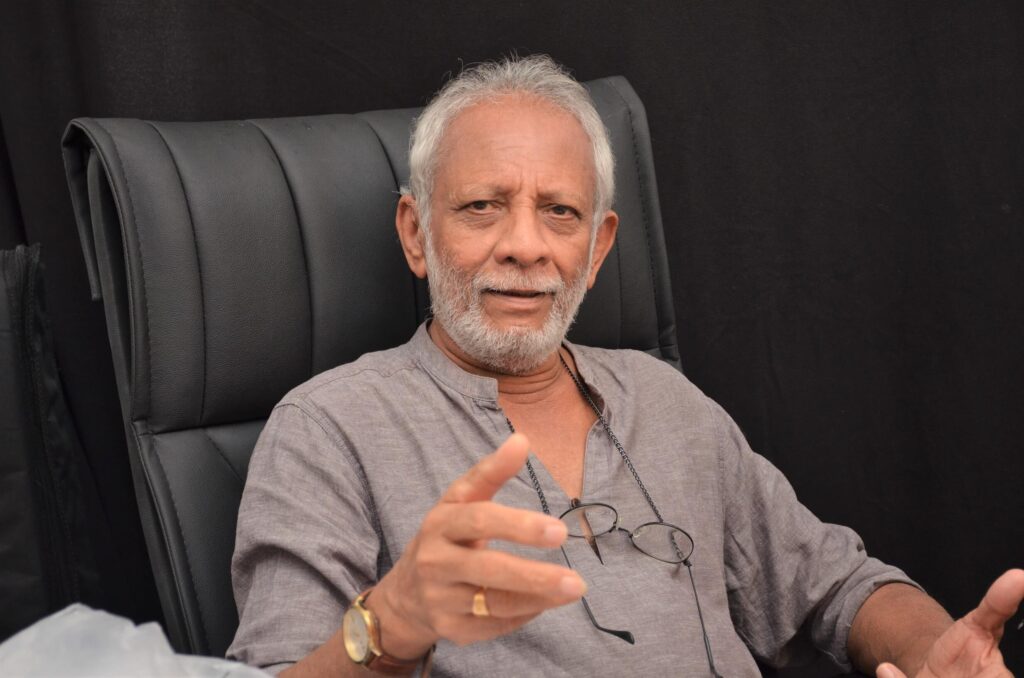
Being a small island developing country (SID), the ocean has had a strong influence on the culture, beliefs, values, etc. of the people of Sri Lanka. The strategic location of the country, standing right at the margins of the east-west naval route, has also brought in other cultures, religions and attracted the attention of all the superpowers as avenues of expanding their jurisdiction over the marine space. Amidst all forms of influences lie colossal amounts of oceanic resources offering bounteous opportunities for strengthening the country’s economy and improving the wellbeing of the people. SIDs are now confronted with a grave resource crisis due to their small resource base and are increasingly shifting their focus from green to blue economic growth. Apart from traditional oceanic activities such as shipping and tourism, blue growth also entails, off-the-coast energy generation, marine aquaculture, sub-marine mining, biotechnology, bioprospecting, marine tourism, etc. not forgetting services such as carbon sequestration, coastal protection, biodiversity, etc. which are not captured by the market.
With the type of training offered, I am sure the ocean university will produce graduates and mid-level managers who are accomplished and competent to take up employment in the newly emerging sectors, to address the diverse oceanic issues such as resource degradation, unsustainable fishing practices, pollution, and adverse impacts on other sectors, such as the displacement of small scale fisheries, while working towards securing a sustainable ocean ecosystem.
Prof. Oscar Amarasinghe
CHANCELLOR
B.Sc.(Agri.,Peradeniya), M.Sc. (Agri.Devt., Ghent, Belgium), Ph.D. (Social Sciences, Namur, Belgium)
VICE CHANCELLOR'S MESSAGE

The future prosperity of Sri Lanka depends on how well we control our geographical location as a sea hub and utilizes the marine resources effectively in the surrounding sea. Our location in the Indian Ocean has shaped our history over a long period of time and will continue to do so in the future. New consumer markets are emerging all across Asia and the major economies of China, Japan and India contribute to the growth of the maritime activities in the busy east-west shipping route which is only a few nautical miles south of the island. On this route, more than 150,000 ships annually carry two-thirds of the world’s oil supply and a half of total ocean freight. Furthermore, Sri Lanka has the jurisdiction for its seabed resources up to 200 nautical miles and we have claimed beyond 200 nautical miles under the United Nations Convention of the Law of Sea since geographic conditions support that our river sediments reached far beyond.
Thus, Sri Lanka’s situation in the nautical corridor between the East and West and its natural resources in the surrounding sea has become important for the future development of the country. We as a nation need to reposition our country to maximize these advantages. To fully tap this potential, Sri Lanka needs to develop its human resources and the Ocean University of Sri Lanka has to equip itself to cater this important task. At present, the University offers marine, maritime and fisheries related BSc degree programs in the fields of Engineering, Logistics and Transport and Sciences. Further, it offers skill sector NVQ level diplomas and certificates courses in the same areas from its network of regional centers.
Snr. Prof. Nalin Ratnayake
PhD, MSc, BSc (Hons.)
Vice Chancellor, Ocean University of Sri Lanka
Senior Professor in Marine Geology, University of Moratuwa
Scholar: Google Scholar Profile