
History
Origins: From Department of Fisheries Training to NIFNE
- The roots of OCUSL date back to 1963, when the first Fisheries Training Centre was established in the area of Negombo.
- Over the years, additional fisheries training centres were set up in several parts of the country — including Tangalle, Batticaloa, Jaffna (in 1972), Mattakkuliya (1975), and Trincomalee (1993).
- In recognition of the need for a more formal institutional structure, these training institutions were reorganized into a formal body: on 20 December 1999, the National Institute of Fisheries and Nautical Engineering (NIFNE) was established under the “National Institute of Fisheries and Nautical Engineering Act”.
- NIFNE also expanded: after 1999, new colleges were added — e.g. in Galle (established 2006) and in the Kalutara-North region (later relocated to Panadura in 2020).
So, the institution that eventually became OCUSL has a multi-decade history of fisheries and nautical training — not a sudden creation in 2014, but the culmination of incremental development across many decades.
Establishment of Ocean University of Sri Lanka (2014) — Formal University Status
- The formal transformation happened via legislation: the Ocean University of Sri Lanka Act, No. 31 of 2014 was enacted, establishing OCUSL as a university.
- The Act came into effect on 20 December 2014.
- The name changed from NIFNE to OCUSL; the university was granted degree-awarding powers under the oversight of the University Grants Commission of Sri Lanka (UGC) like other public universities.
- The main objective: to create a specialized university focused on marine, maritime, fisheries and allied sectors to meet the human-resources needs of Sri Lanka’s “blue economy.”
- The NIFNE upgraded in the fully fledged Government University as OCUSL.
Academic & Institutional Growth Post
After 2014, OCUSL expanded and diversified its academic offerings, reorganised faculties, and established a nationwide presence.
Highlights:
- OCUSL is headquartered at its main campus on Crow Island, Mattakkuliya, Colombo 15.
- It operates a network of regional colleges/centres across the island (e.g. Jaffna, Trincomalee, Batticaloa, Tangalle, Galle, Kalutara, Negombo, Mattakkuliya) to provide vocational and certificate-level training beyond just degree courses.
- On the degree level, OCUSL offers undergraduate programmes including
- BSc. (Hons) in Marine Engineering
- BSc. (Hons) in Maritime Transportation Management & Logistics
- BSc. (Hons) in Coastal and Marine Resources Management
- BSc. (Hons) in Maritime Affairs
- BSc. (Hons) in Fisheries & Marine Science
- BSc. (Hons) in Oceanography
- B. Tech (Hons) in Aquaculture & Seafood Technology
- BSc. (Hons) in Marine Biotechnology
- OCUSL also provides vocational training, diplomas, certificate courses, and STCW-type maritime training (for seafaring ratings, engine ratings, navigation, etc.) — retaining and modernizing the vocational legacy of the old NIFNE.
- In 2019, OCUSL set up a dedicated unit for global connection: the Center for International Relations (CIR), to facilitate international collaborations, exchanges, and research cooperation — sign of ambition to become internationally engaged.
- Just recently (2023), OCUSL launched its first postgraduate programme: MSc in Coastal Resources Economics and Management — indicating growth beyond undergraduate and vocational training, into higher-order research and coastal/marine management studies.
Significance: Why OCUSL Matters for Sri Lanka
- Sri Lanka — being an island nation with a vast maritime boundary, Exclusive Economic Zone (EEZ), strategic location on major shipping lanes, and abundant marine resources — has strong need for skilled manpower in marine, maritime, fisheries, aquaculture, coastal management, ship operations, etc. OCUSL was created precisely to meet that need.
- By combining academic degrees + vocational training + regional outreach + international cooperation, OCUSL aims to build a national human-resource base for the “blue economy” — reducing reliance on foreign experts and empowering local communities to manage, develop, and conserve marine resources.
- The diversified academic offering — from engineering to resource management to oceanography — reflects a holistic approach acknowledging that the ocean sector isn’t just about fishing or shipping, but includes environment, conservation, logistics, aquaculture, coastal resilience, resource management, etc.
Our Past Vice Chancellors
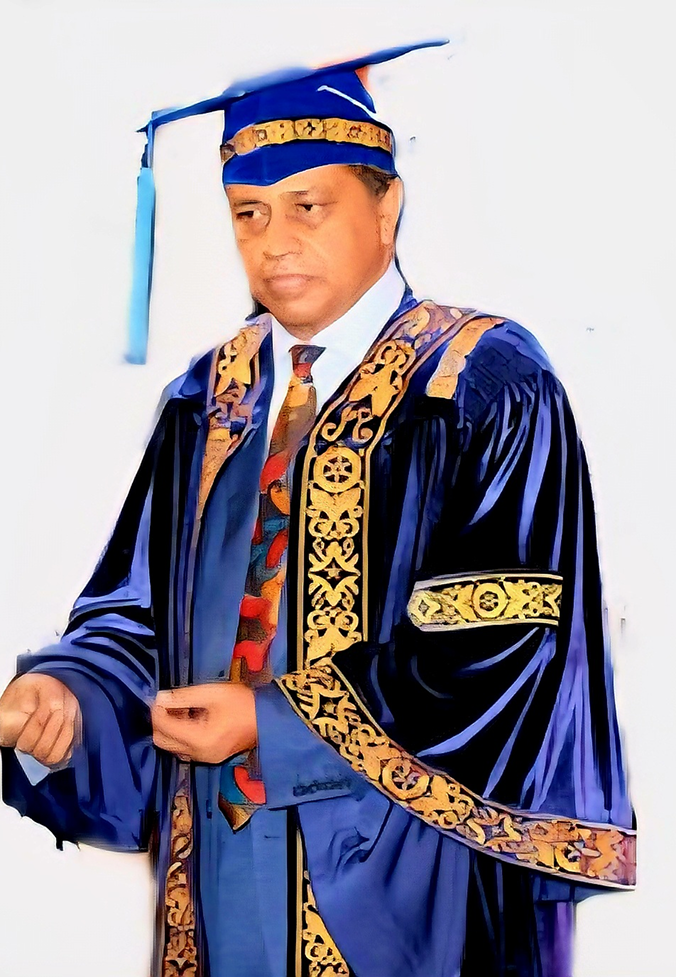
Mr. Thilak Dharmaratne
(Vice Chancellor)
From 2015.06.15 To 2019.06.15
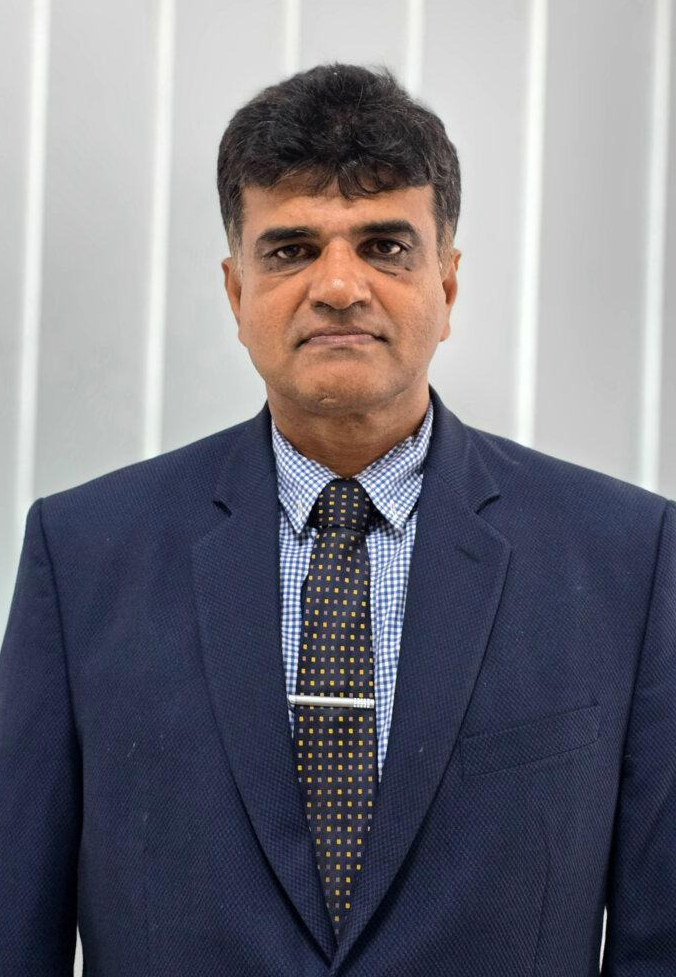
Prof. N.P. Ratnayake
(Vice Chancellor)
From 2019.06.26 To 2021.01.15
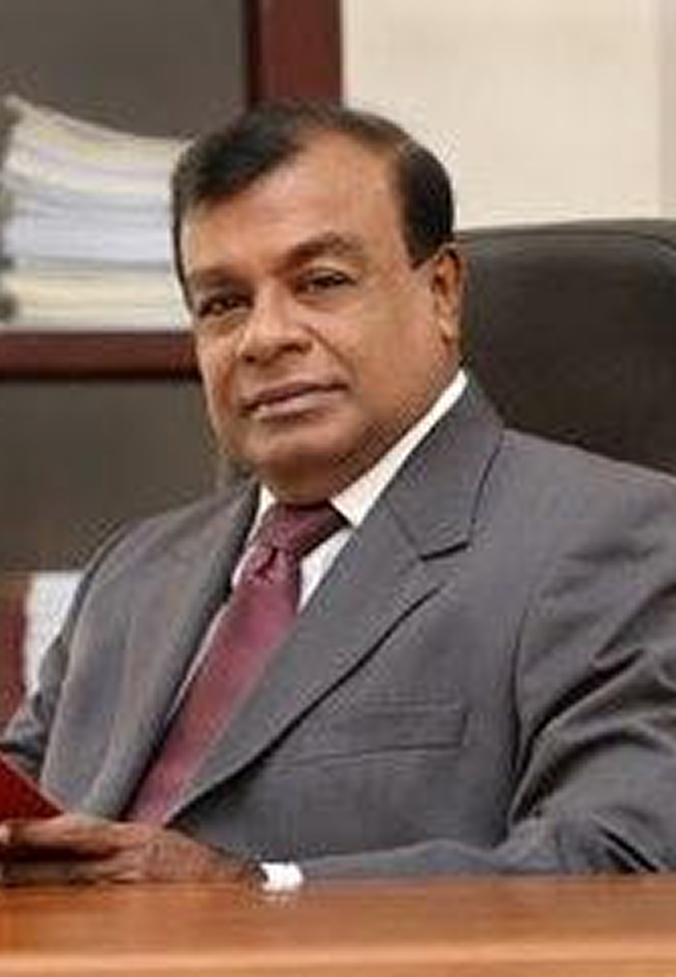
Dr. T.A. Piyasiri
(Vice Chancellor)
From 2021.01.26 To 2021.07.21
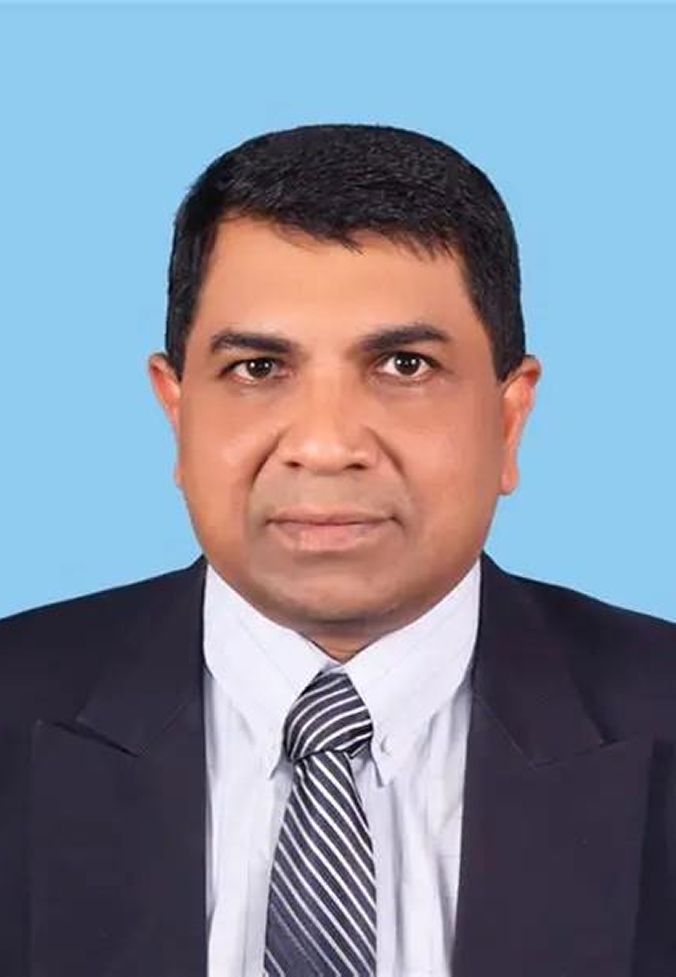
Prof. Wasantha Rathnayaka
(Vice Chancellor)
From 2021.07.22 To 2025.07.15